Rhubarb root, derived from the Rheum species of plants, has been used for centuries in traditional Chinese medicine and other herbal practices around the world.
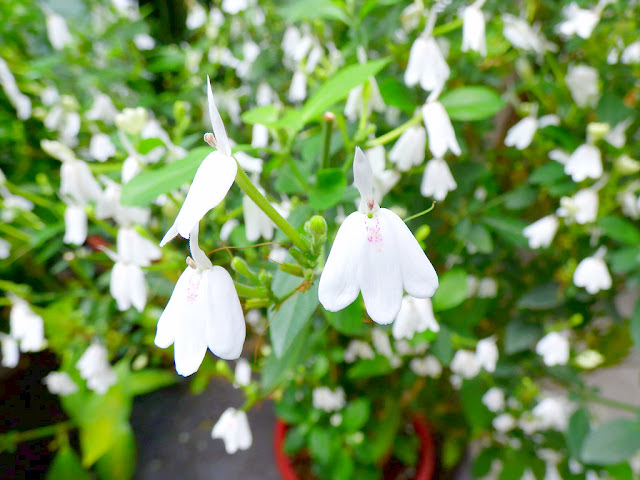
Andrographis paniculata, commonly known as green chiretta or the “King of Bitters” has been a cornerstone in traditional Chinese medicine(TCM)for centuries.
Asiatic Pennywort, also known as Centella asiatica or Gotu Kola, is a herbaceous plant that has been used for centuries in traditional medicine practices in many parts of Asia. It is a creeping plant that grows in damp, marshy areas and is commonly found in India, Sri Lanka, China, and Southeast Asia. Asiatic pennywort has many health benefits and has been used to treat a variety of ailments, both physical and mental.
Snake tongue grass, also known as snake needle grass, is a medicinal plant that is native to Asia, including China, Japan, and Korea. It belongs to the Rubiaceae family and is characterized by its small, white flowers and lance-shaped leaves.
Elephantopus tomentosus Linn. is a medicinal herb that is commonly used in traditional medicine systems throughout Asia, including in India, China, and Thailand. Also known as “elephant's foot” or “whiteflower earthgallgrass”, this plant belongs to the Asteraceae family and is a perennial herb that grows up to 50 cm tall.
Bignose rhinacanthus is a small herbaceous plant native to Southeast Asia, particularly in Thailand, Malaysia, and Indonesia. It is commonly used in traditional medicine, particularly in Ayurvedic and Thai medicine, for its potential medicinal properties.